Our Journey Through Time
Tracing the rich history of Highway Park from its founding to the present day. Each milestone represents the courage, resilience, and spirit of our community.
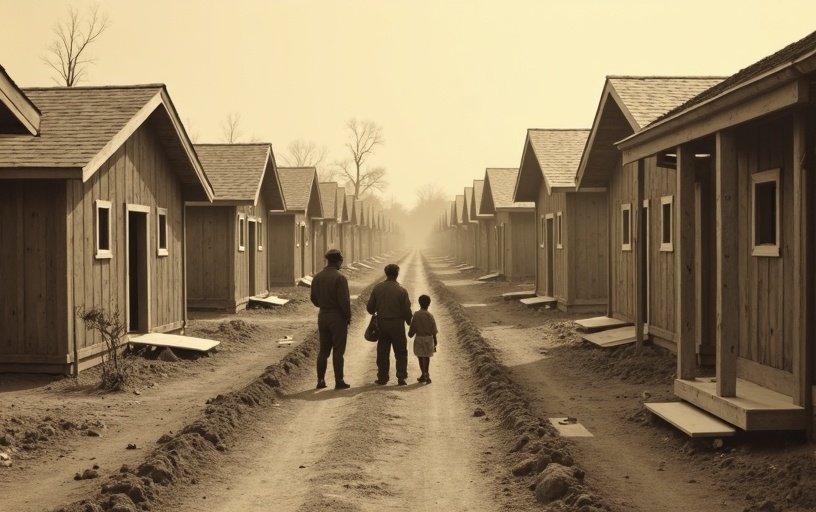
The Founding of Highway Park
African American families establish the Highway Park community, purchasing land and building homes despite segregation laws. The neighborhood becomes a beacon of Black homeownership and self-determination.
Led by founding families including the Hendersons, Washingtons, and Johnsons, who pooled resources to purchase 40 acres of land.
First Community Church Established
Highway Park Baptist Church opens its doors, becoming the spiritual and social center of the community. The church hosts Sunday services, community meetings, and serves as a gathering place for civil rights organizing.
Reverend Samuel Thompson serves as the first pastor, leading the congregation for 32 years.
Highway Park Elementary School Opens
The community celebrates the opening of its own elementary school, providing quality education for Black children during segregation. Teachers from across the state come to teach, creating a legacy of educational excellence.
Principal Martha Williams leads the school with 6 teachers and 142 students in its first year.
Freedom Riders Visit Highway Park
Civil Rights activists stop in Highway Park during the Freedom Rides, holding a mass meeting at the church. Community members provide food, shelter, and support, with several young residents joining the movement.
Over 300 community members attend the meeting, marking Highway Park's active participation in the Civil Rights Movement.
School Integration Begins
Following the Civil Rights Act, Highway Park students integrate into previously all-white schools. Despite facing hostility and discrimination, these brave students persevere, paving the way for future generations.
Dorothy Mae Henderson and 11 other students become the first to integrate Jefferson High School.
Community Center Construction
Through fundraising and volunteer labor, the Highway Park Community Center is built. It becomes home to after-school programs, senior activities, job training, and community celebrations.
Built entirely through community donations and volunteer work over 18 months.
First Black-Owned Business District
Highway Park Avenue transforms into a thriving business district with Black-owned shops, restaurants, and services. The economic hub creates jobs and keeps wealth circulating within the community.
Includes Johnson's Grocery, Williams' Barbershop, Thompson's Diner, and 12 other businesses.
Annual Heritage Festival Begins
The first Highway Park Heritage Festival celebrates the community's history, culture, and achievements. The annual tradition continues today, drawing thousands of visitors and former residents.
Features live music, traditional foods, historical exhibits, and recognition of community elders.
Youth Leadership Program Founded
Community elders establish a mentorship program connecting youth with successful professionals. The program provides scholarships, internships, and guidance, sending dozens of students to college.
Over 200 students have participated, with a 95% high school graduation rate and 78% college enrollment.
Economic Challenges and Resilience
When the local factory closes, Highway Park faces economic hardship. The community responds by creating a small business incubator and job training programs, demonstrating remarkable resilience.
The incubator helps launch 23 new businesses over the next five years, creating 87 jobs.
Historic District Designation
Highway Park receives official recognition as a historic district, protecting its unique architecture and cultural heritage. The designation brings resources for restoration and heritage tourism.
Includes 47 historic buildings and landmarks, with walking tour maps and heritage markers installed.
Community Garden Initiative
Residents transform vacant lots into thriving community gardens, providing fresh produce and green spaces. The gardens become gathering places and teach urban agriculture to youth.
Five gardens produce over 3,000 pounds of fresh vegetables annually, distributed to families in need.
Digital Archive Project Launched
The community begins digitizing historical photos, documents, and oral histories, preserving stories for future generations. The online archive makes Highway Park's history accessible worldwide.
Over 5,000 photographs, 200 oral history recordings, and countless documents now preserved digitally.
Community Resilience During Pandemic
Highway Park demonstrates its strength during COVID-19, organizing food distribution, mask-making, and mutual aid networks. The community ensures no neighbor is left behind.
Volunteers deliver over 10,000 meals and provide support to 300+ families during the pandemic.
Looking Forward Together
Highway Park continues to thrive, honoring its past while building its future. New initiatives focus on affordable housing, youth programs, and economic development while preserving the community's unique character.
Current projects include affordable housing development, tech training programs, and expanded heritage tourism.
Help Us Preserve Our History
Do you have historical photos, documents, or memories to share? Your contributions help keep our community's story alive for future generations.